

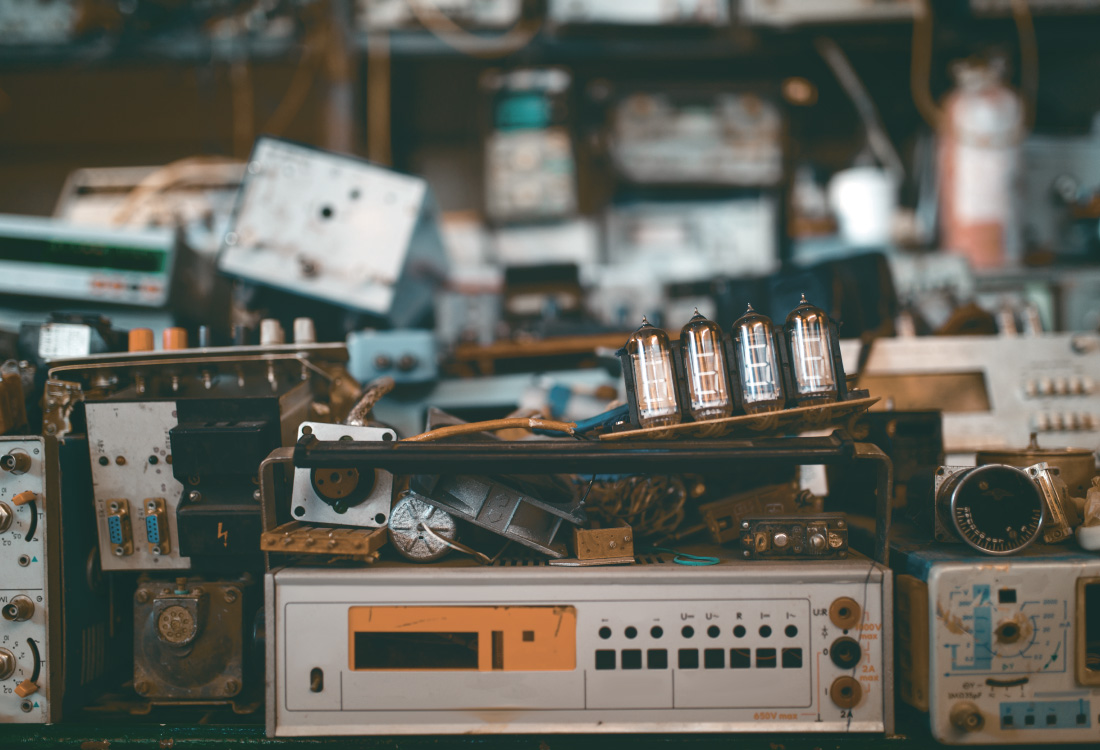
14 Oct International E-Waste Day: From Waste to Circular Value
Every year, we change phones, upgrade laptops, or say goodbye to devices that no longer work. What we rarely see is what happens next. E-waste—discarded electronic and electrical equipment—is one of the fastest-growing waste streams worldwide. Managing it properly can mean the difference between an environmental threat and a circular opportunity.
According to the Global E-Waste Monitor, the volume of electronic waste grows each year, while a significant part is never formally collected or recycled. Instead, valuable materials are lost, and informal dumping increases health and environmental risks. You can explore this data at globalewaste.org or through the UNEP.
What is e-waste and why does it affect us all?
E-waste includes devices at the end of their useful life: mobile phones, tablets, computers, cables, small appliances, chargers, toys with batteries, lighting equipment, and more. It affects everyone because we all use them, and because these devices contain critical resources such as copper, aluminum, lithium, and rare earth minerals.
When not managed properly, e-waste represents a double loss: loss of valuable materials and the transfer of environmental damage to landfills, informal settlements, land, and rivers.
The invisible impact: pollution and health
E-waste can release toxic metals and hazardous substances (lead, mercury, flame retardants) when dismantled or burned improperly. This leads to air, soil, and water contamination—and poses serious health risks for workers handling waste without protection.
That is why solutions go beyond “throwing it away.” Proper delivery to authorized collection points or certified waste managers is crucial.
Circular economy: giving technology a second life
The circular economy approach aims to keep materials in use for as long as possible, extending the lifetime of products through repair, refurbishment, or component recovery.
- Metals (copper, aluminum, gold from circuit boards)
- Plastics and glass, via specialized recycling
- Batteries, through dedicated processes
By doing so, we reduce the extraction of raw materials, cut carbon emissions, and promote green jobs through recycling and repair industries.
What can citizens and companies do?
At home:
- Store unused devices safely until proper disposal
- Separate cables, chargers, and batteries—never mix with household waste
- Deliver e-waste to municipal collection points
- Repair or donate devices still in working condition
In businesses:
- Inventory equipment and define end-of-life procedures
- Avoid accumulation of unused electronic stockrooms
- Partner with certified waste managers for full traceability and documentation
- Communicate responsible practices to stakeholders and clients
To explore responsible waste management, visit our section on environmental management or browse related content on our sustainability blog.
A call to action for a responsible electronic future
``Every device counts: recycling electronics returns resources to the economy and removes pollution from the planet.``
International E-Waste Day is a reminder to act today: check drawers, identify devices you no longer use, and return them to the right collection channels. In the circular economy, your action is the first step in turning waste into new resources and opportunities.
For global updates, goals, and data, visit the United Nations Environment Programme and the Global E-Waste Monitor. Managing e-waste is not just compliance—it’s responsibility.